

Keynotes
Technology for Health and Wellbeing in the Workplace
Dr. Muhammad Zubair is an Associate Professor of Computer Science and Software Engineering at Heriot-Watt University (Zhubanov Campus), Aktobe, Kazakhstan. He holds a Ph.D. in Communication and Information Systems from Dalian University of Technology, China. Dr. Zubair’s research focuses on Artificial Intelligence, Internet of Things, smart environments, future networks, and AI for social good. He has authored over 30 SCI/ESCI-indexed publications and has led several impactful AI and IoT projects addressing healthcare, smart cities, and digital transformation. He has served in key academic leadership roles in Pakistan, including Director ORIC and Director Examinations, and is a member of the National Task Force on Artificial Intelligence, Government of Pakistan. His contributions have been recognized with prestigious awards, including the Quaid-e-Azam Gold Medal.
Abstract
How can we create technologies to help us reflect on and potentially change our behavior, as well as improve our health and overall wellbeing both at work and at home? In this talk, I will briefly describe the last several years of work our research team has been doing in this area. We have developed wearable technology to help families manage tense situations with their children, mobile phone-based applications for handling stress and depression, as well as automatic stress sensing systems plus interventions to help users just in time. The overarching goal in all of this research is to develop intelligent systems that work with and adapt to the user so that they can maximize their personal health goals and improve their wellbeing.
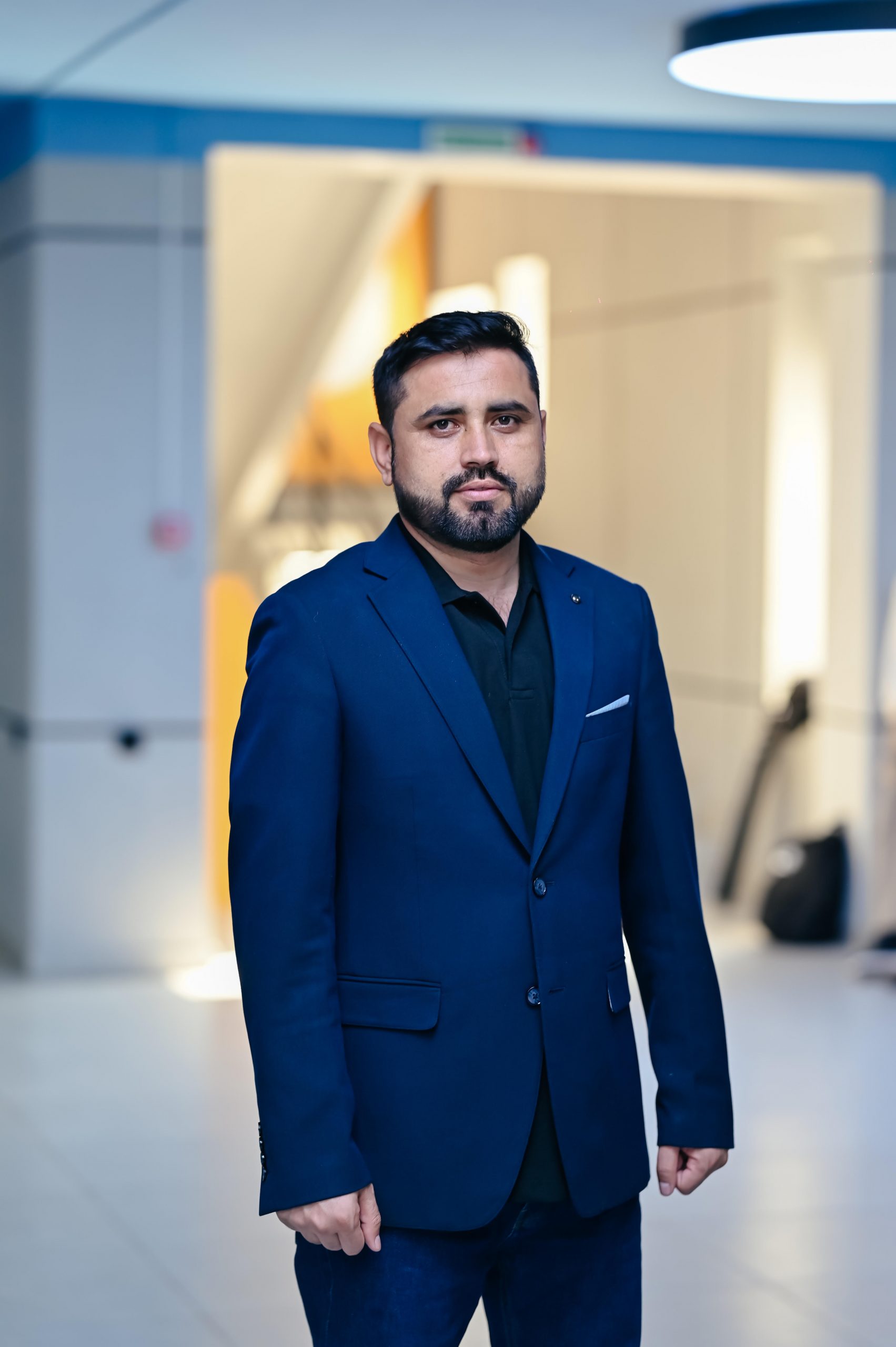
Dr. Muhammad Zubair
Department of Computer Science and Software Engineering Heriot-Watt University (Zhubanov Campus), Aktobe, Kazakhstan
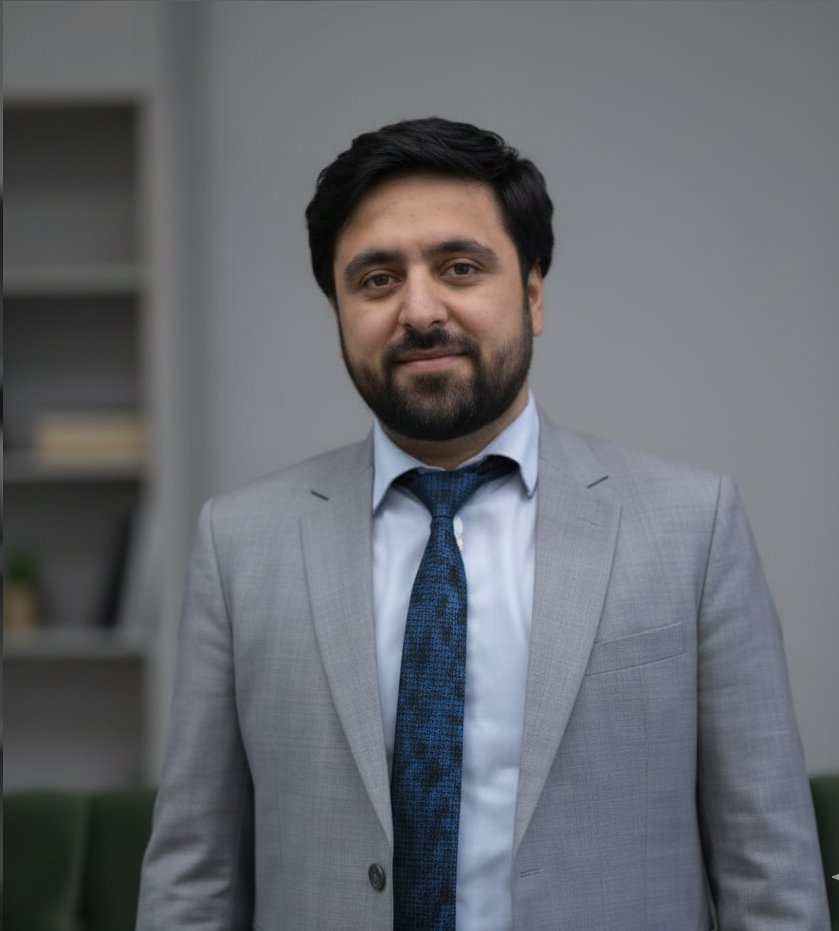
Prof. Ali Shinwari
Department of Computer Science and Information Technology, The American University of Kurdistan Kurdistan Region, Iraq
Personalised health driven by digital health systems and multi-source health/environmental data, ML/AI/DL analytics and predictive models
Prof. Ali Shinwari currently associated with Computer Vision and Digital Video Forensics at the University of Technology Malaysia, with a research focus on advanced video tampering detection. He has over 15 years of experience in higher education, software development, and software project management. He has published and presented his work at leading international venues, including IEEE and ACM conferences. He is a Lecturer in the Department of Computer Software and Security at the American University of Kurdistan and an Adjunct Instructor at the American University of Afghanistan. Prof. Shinwari holds a MS degree in Information Technology from Kabul University, in Kabul, Afghanistan, where he took many courses offered in collaboration with Estonia’s Tallinn University. He received his Bachelor’s degree in Mathematics and Computer Science from the University of Peshawar in Pakistan. He has published papers in national and international journals on computer vision and facial recognition.
His current research interests include biomedical engineering, biomedical informatics, ehealth, AAL, personalised health, biosignal analysis, medical imaging, and neurosciences. He has published more than 500 papers in peer-reviewed international journals, books and conference proceedings out of which over 160 as full peer review papers in indexed international journals. He has developed graduate and undergraduate courses in the areas of (bio)medical informatics, biomedical signal processing, personal health systems, physiology and biological systems simulation.
He has served as a Reviewer in CEC AIM, ICT and DGRT D-HEALTH technical reviews and as reviewer, associate editor and editorial board member in more than 20 international journals, and participated as Coordinator or Core Partner in over 45 national and EU and US funded competitive research projects attracting more than 16 MEUROs in funding. He has served as president of the EAMBES in 2008-2010. Dr. Maglaveras has been a member of the IEEE, AMIA, the Greek Technical Chamber, the New York Academy of Sciences, the CEN/TC251, Eta Kappa Nu and an EAMBES Fellow.
Abstract
The last years saw a steep increase in the number of wearable sensors and systems, mhealth and uhealth apps both in the clinical settings and in everyday life. Further large amounts of data both in the clinical settings (imaging, biochemical, medication, electronic health records, -omics), in the community (behavioral, social media, mental state, genetic tests, wearable driven bio-parameters and biosignals) as well as environmental stressors and data (air quality, water pollution etc.) have been produced, and made available to the scientific and medical community, powering the new AI/DL/ML based analytics for the identification of new digital biomarkers leading to new diagnostic pathways, updated clinical and treatment guidelines, and a better and more intuitive interaction medium between the citizen and the health care system.
Thus, the concept of connected and translational health has started evolving steadily, connecting pervasive health systems, using new predictive models, new approaches in biological systems modeling and simulation, as well as fusing data and information from different pipelines for more efficient diagnosis and disease management.
In this talk, we will present the current state-of-the-art in personalized health care by presenting cases from COVID-19 and COPD patients using advanced wearable vests and new technology sensors including lung sound and EIT, new outcome prediction models in COVID-19 ICU patients fusing X-Rays, lung sounds, and ICU parameters transformed via AI/ML/DL pipelines, new approaches fusing environmental stressors with -omics analytics for chronic disease management, and finally new ML/AI-driven methodologies for predicting mental health diseases including suicidality, anxiety, and depression.
Technology for Health and Wellbeing in the Workplace
Dr. Sowjanya Lakshmi A. is a dynamic academician and researcher with a strong track record of driving innovation and collaborative intelligence, including founding an Incubation Centre at her institutional campus. She brings 15 years of multidisciplinary engineering education and research experience, spanning IoT, AI, machine learning, embedded systems, distributed systems, and computer networks. Recognized as a Resource Person for faculty and researcher training, she has delivered expert sessions on IoT and its real-world applications to faculty, postgraduate students, and research scholars. She contributes actively to decentralized AI research and academic growth, supported by IEEE and Scopus-indexed publications, Indian patents, and global scholarly profiles via Scopus ID and ORCID. Her work focuses on privacy-aware distributed learning, IoT device intelligence, and blockchain-assisted model collaboration, alongside mentoring faculty and emerging researchers in next-generation AI systems.
Abstract
How can we create technologies to help us reflect on and potentially change our behavior, as well as improve our health and overall wellbeing both at work and at home? In this talk, I will briefly describe the last several years of work our research team has been doing in this area. We have developed wearable technology to help families manage tense situations with their children, mobile phone-based applications for handling stress and depression, as well as automatic stress sensing systems plus interventions to help users just in time. The overarching goal in all of this research is to develop intelligent systems that work with and adapt to the user so that they can maximize their personal health goals and improve their wellbeing.
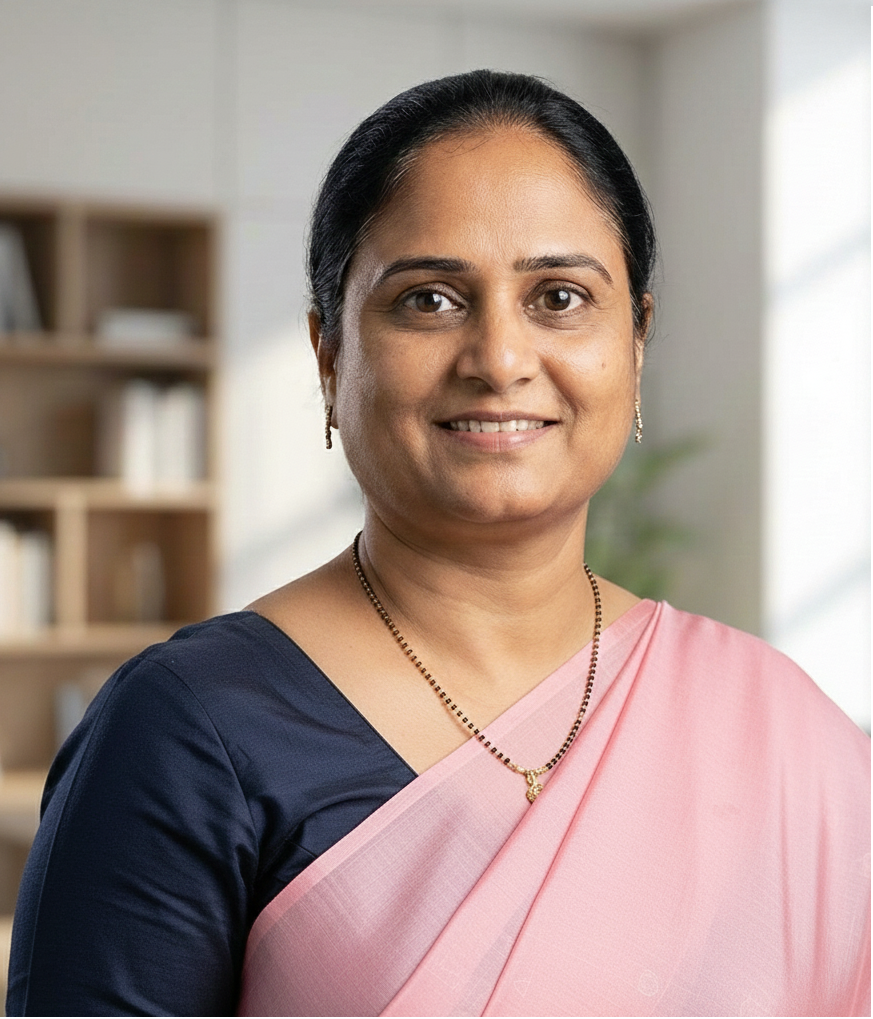
Dr. Sowjanya Lakshmi A
Department of Information Science and Engineering Sir M. Visvesvaraya Institute of Technology Bengaluru, Karnataka, India
Nicos Maglaveras
Professor of Medical Informatics Aristotle University of Thessaloniki Greece
Personalised health driven by digital health systems and multi-source health/environmental data, ML/AI/DL analytics and predictive models
Nicos Maglaveras received the diploma in electrical engineering from the Aristotle University of Thessaloniki (A.U.Th.), Greece, in 1982, and the M.Sc. and Ph.D. degrees in electrical engineering with an emphasis in biomedical engineering from Northwestern University, Evanston, IL, in 1985 and 1988, respectively. He is currently a Professor of Medical Informatics, A.U.Th. He served as head of the graduate program in medical informatics at A.U.Th, as Visiting Professor at Northwestern University Dept of EECS (2016-2019), and is a collaborating researcher with the Center of Research and Technology Hellas, and the National Hellenic Research Foundation.
His current research interests include biomedical engineering, biomedical informatics, ehealth, AAL, personalised health, biosignal analysis, medical imaging, and neurosciences. He has published more than 500 papers in peer-reviewed international journals, books and conference proceedings out of which over 160 as full peer review papers in indexed international journals. He has developed graduate and undergraduate courses in the areas of (bio)medical informatics, biomedical signal processing, personal health systems, physiology and biological systems simulation.
He has served as a Reviewer in CEC AIM, ICT and DGRT D-HEALTH technical reviews and as reviewer, associate editor and editorial board member in more than 20 international journals, and participated as Coordinator or Core Partner in over 45 national and EU and US funded competitive research projects attracting more than 16 MEUROs in funding. He has served as president of the EAMBES in 2008-2010. Dr. Maglaveras has been a member of the IEEE, AMIA, the Greek Technical Chamber, the New York Academy of Sciences, the CEN/TC251, Eta Kappa Nu and an EAMBES Fellow.
Abstract
The last years saw a steep increase in the number of wearable sensors and systems, mhealth and uhealth apps both in the clinical settings and in everyday life. Further large amounts of data both in the clinical settings (imaging, biochemical, medication, electronic health records, -omics), in the community (behavioral, social media, mental state, genetic tests, wearable driven bio-parameters and biosignals) as well as environmental stressors and data (air quality, water pollution etc.) have been produced, and made available to the scientific and medical community, powering the new AI/DL/ML based analytics for the identification of new digital biomarkers leading to new diagnostic pathways, updated clinical and treatment guidelines, and a better and more intuitive interaction medium between the citizen and the health care system.
Thus, the concept of connected and translational health has started evolving steadily, connecting pervasive health systems, using new predictive models, new approaches in biological systems modeling and simulation, as well as fusing data and information from different pipelines for more efficient diagnosis and disease management.
In this talk, we will present the current state-of-the-art in personalized health care by presenting cases from COVID-19 and COPD patients using advanced wearable vests and new technology sensors including lung sound and EIT, new outcome prediction models in COVID-19 ICU patients fusing X-Rays, lung sounds, and ICU parameters transformed via AI/ML/DL pipelines, new approaches fusing environmental stressors with -omics analytics for chronic disease management, and finally new ML/AI-driven methodologies for predicting mental health diseases including suicidality, anxiety, and depression.
